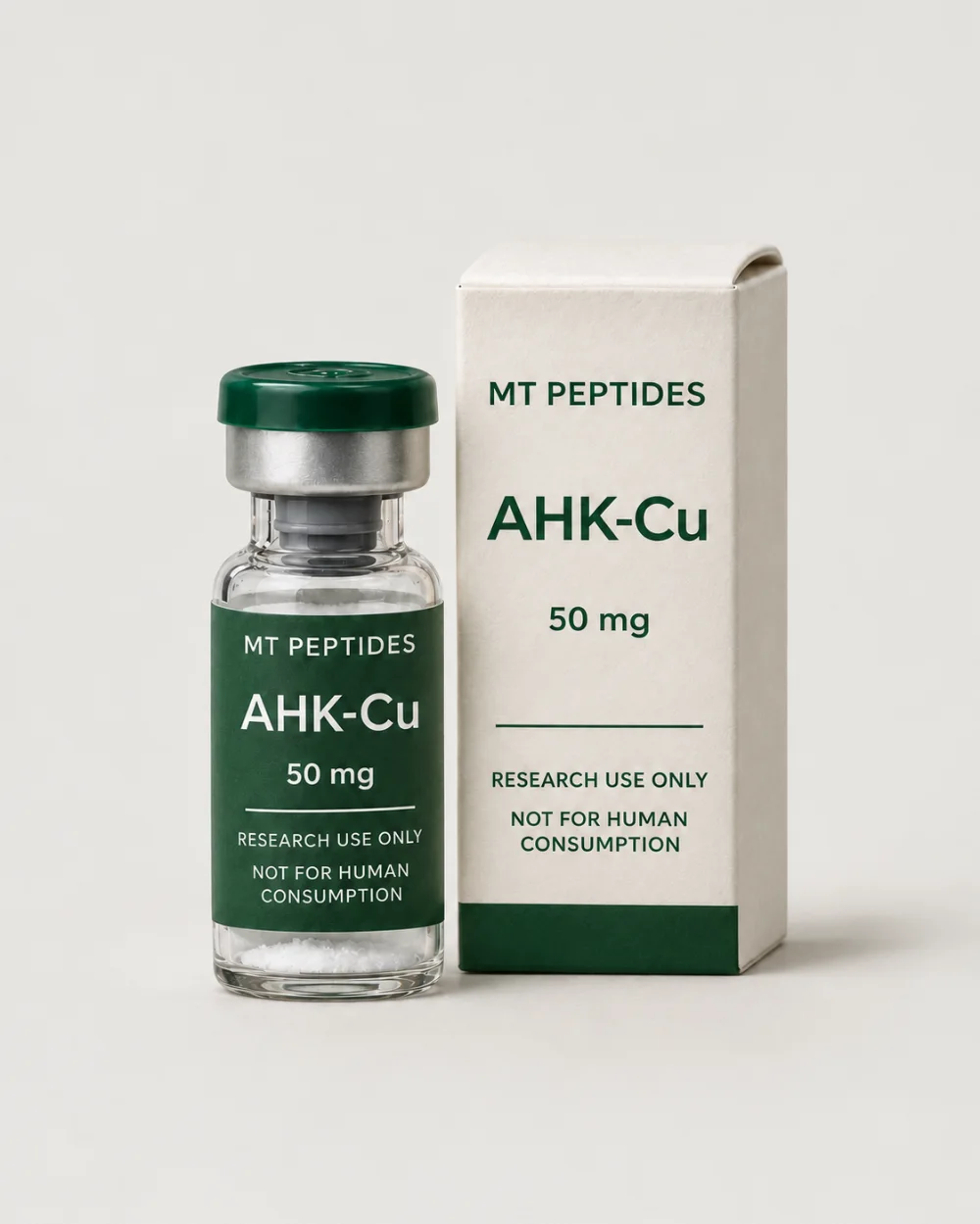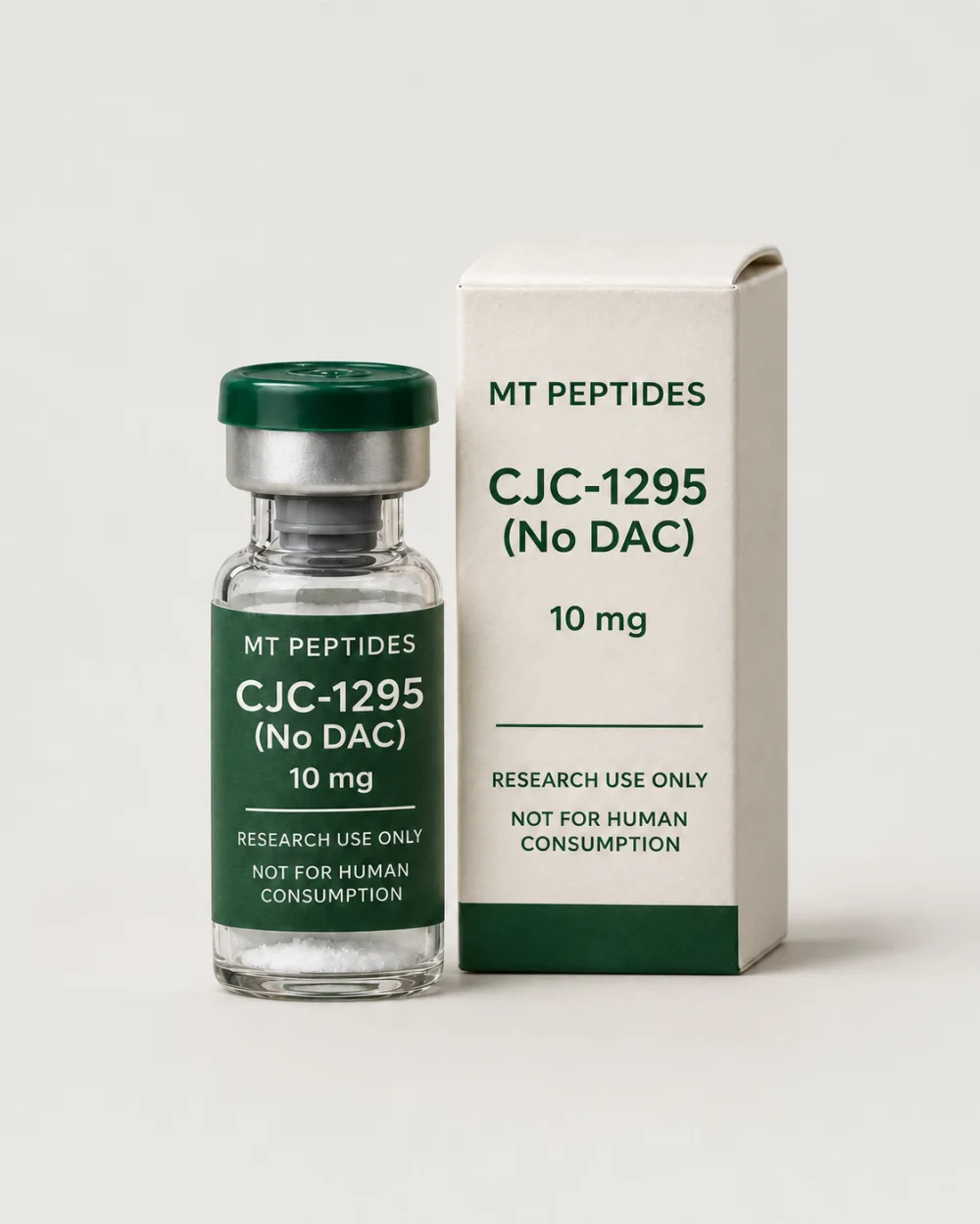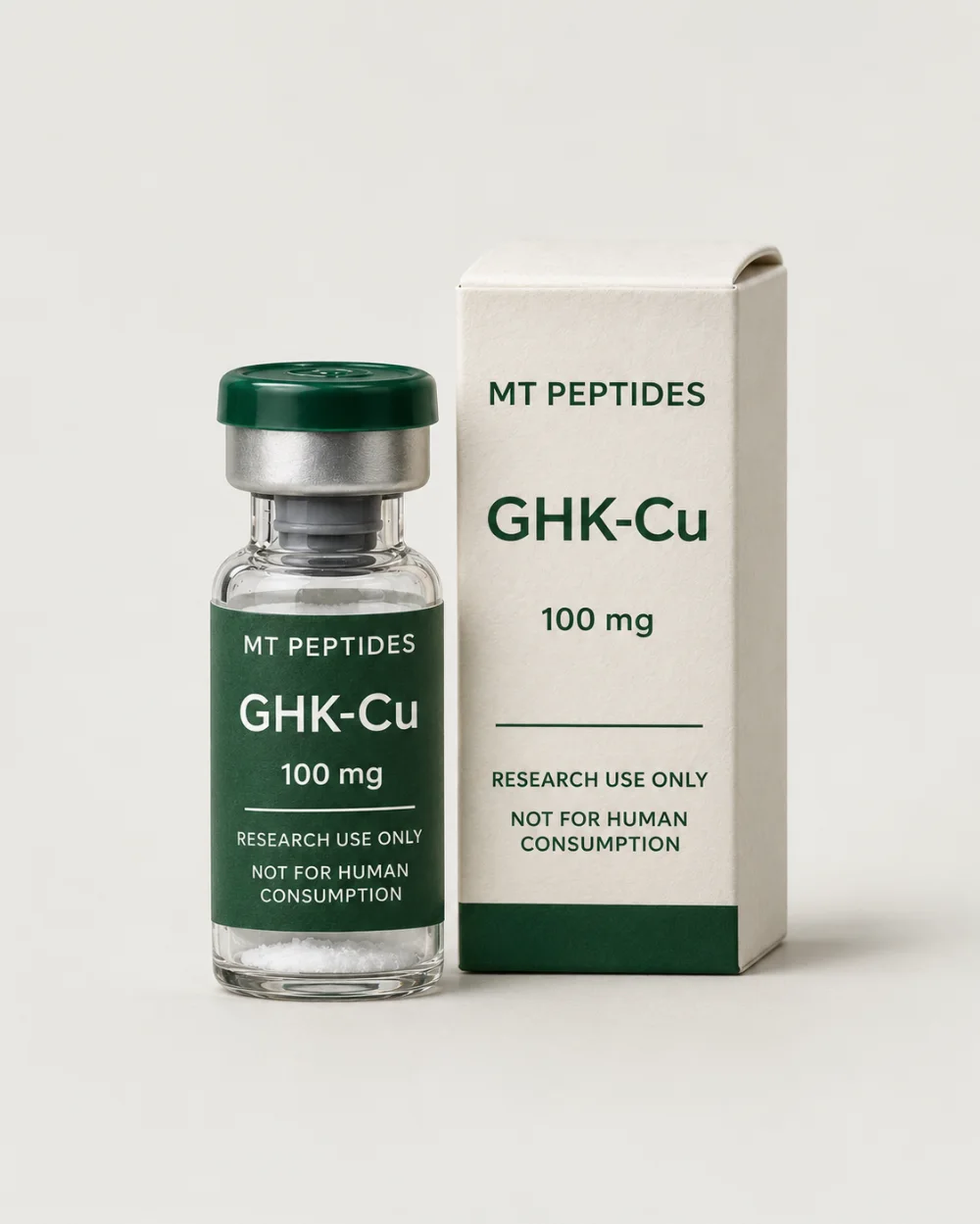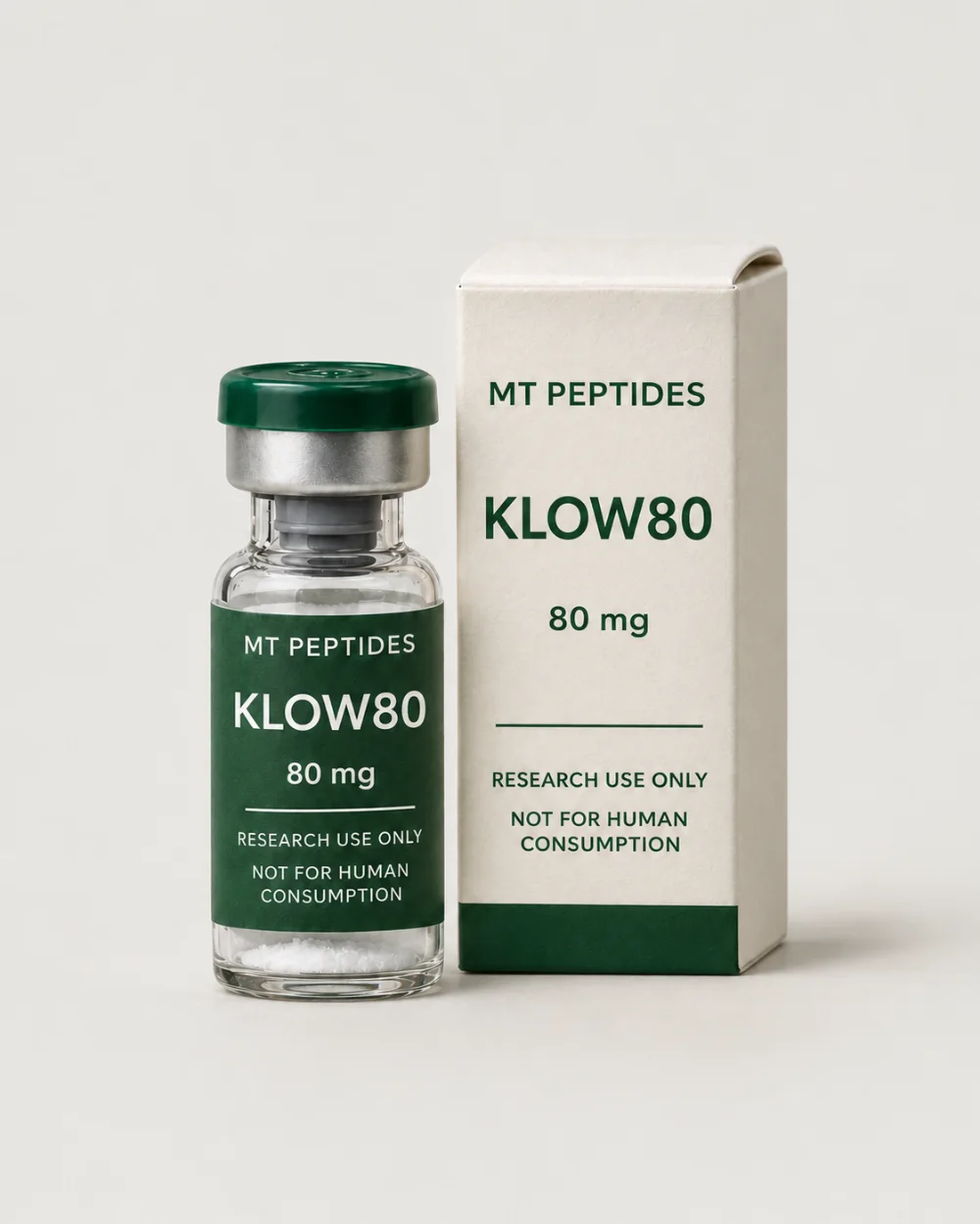

How much does a name tell you?
A product name is a starting point for an identity search, not a complete chemical description. Abbreviations, synonyms and research codes may be used differently across sources. Compare the record's details rather than treating similar names as proof of identity.
Read the peptide sequence, terminal groups, complex or salt description and source record together. If a detail has not been supplied, do not automatically transfer a value from another website to fill the gap.
How should CAS numbers and formulas be checked?
When reviewing a CAS field, check the substance form associated with that number. Then examine whether the molecular formula refers to the same description. Combining fields from different sources merely because their titles look similar can be misleading.
Keep the database address used in an identity assessment. A later reviewer can then see which structure was considered. Missing catalog fields should remain identifiable as missing rather than being filled with a possible value presented as verified data.
What does a database match establish?
PubChem's distinction between a standardized structure record and a contributor's substance description matters here. A structure search helps investigate an identity question; it does not replace analysis of the material in a particular sample.
For related names such as GHK-Cu and AHK-Cu, retaining the full name and sequence distinction reduces confusion. Likewise, a record labeled No DAC should not simply be equated with a publication title that does not clarify that distinction.
How should blends be approached?
A blend name does not remove the need to examine the identities and quantities of its individual constituents. Do not present one component's identifier or formula as the identity of an entire multi-component mixture.
Uncertainty must remain visible for a reference composition, such as KLOW80, that has not been confirmed by MT Peptides. This guide supports reading identity information; it does not establish the suitability of catalog materials for human consumption or administration.