
What is KPV?
KPV names the lysine-proline-valine tripeptide sequence. The letters help identify the structure under discussion; they do not establish that the identity or content of a particular product has been measured.
An identity database record and a paper investigating experimental effects are different source types. Read the first to understand the structure and the second to evaluate the model in which it was studied.
What models does the PepT1 paper use?
The 2008 study by Dalmasso and colleagues investigates KPV transport in relation to PepT1 using human-derived intestinal epithelial and immune cell lines, alongside mouse colitis models. Human-derived cells do not mean a clinical study with human participants.
The research considers cellular transport and inflammation-related measurements within a mechanistic question. Observations from different experiments should retain their own models and comparators when interpreted.
How do signaling and clinical outcomes differ?
The paper includes cellular measurements related to NF-κB and MAPK. A pathway-level change and the demonstration of a clinical outcome in people are different types of evidence. Using inflammation in a title does not remove that distinction.
A reading note can place the cell model, measured marker and animal-model finding on separate lines. This makes clearer whether an experiment addresses transport, a signaling response or a broader characteristic of the model.
Is a single-component record the same as a blend?
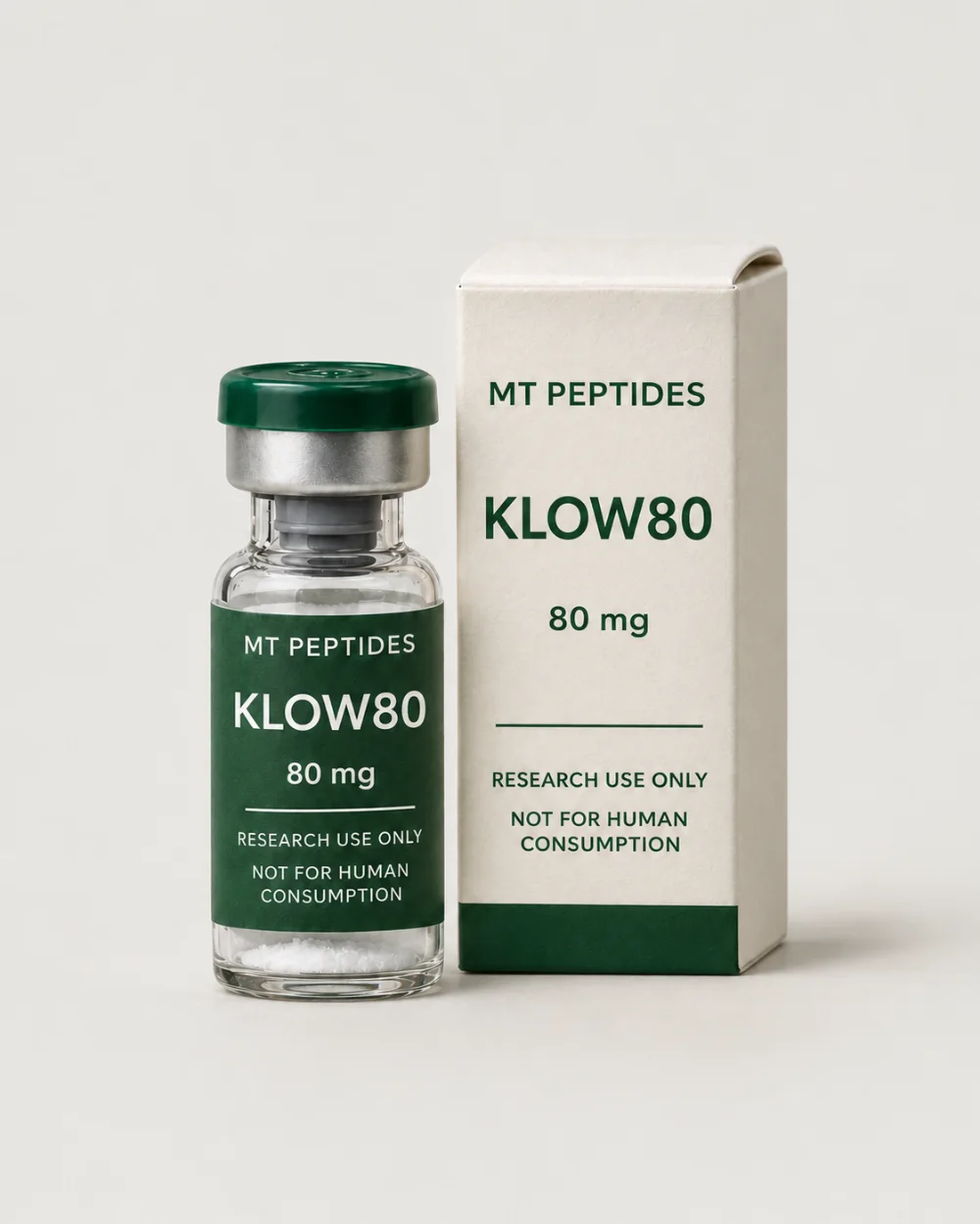
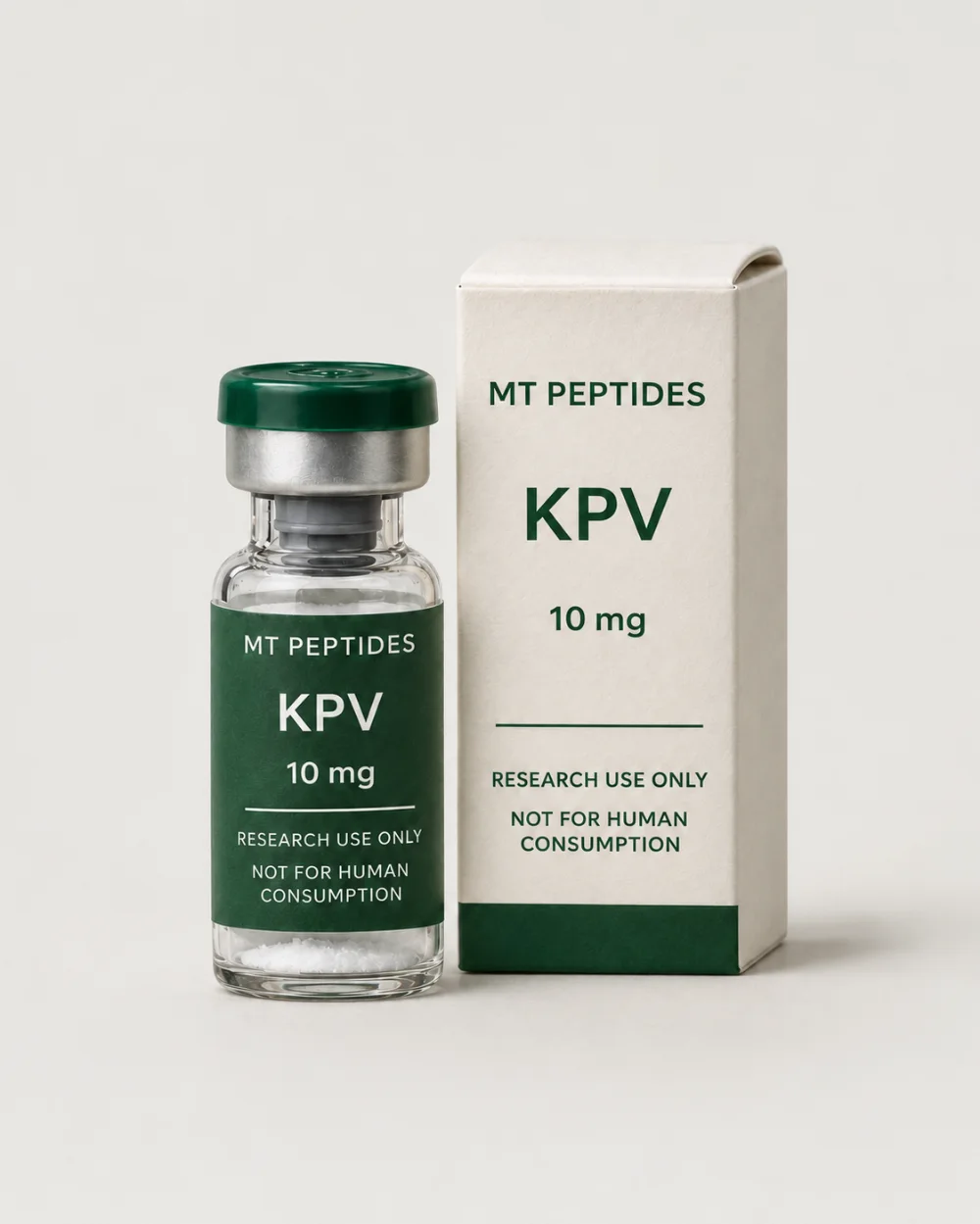
KPV 10 mg in the MT Peptides catalog is a nominal quantity record. Seeing KPV in a blend description does not establish that findings about the individual substance transfer directly to the mixture. The KLOW80 reference composition requires separate confirmation.
This guide reads an original experimental study alongside an identity record. It makes no claim of therapeutic effect, purity or clinical suitability for a product. Research information only; not for human consumption.