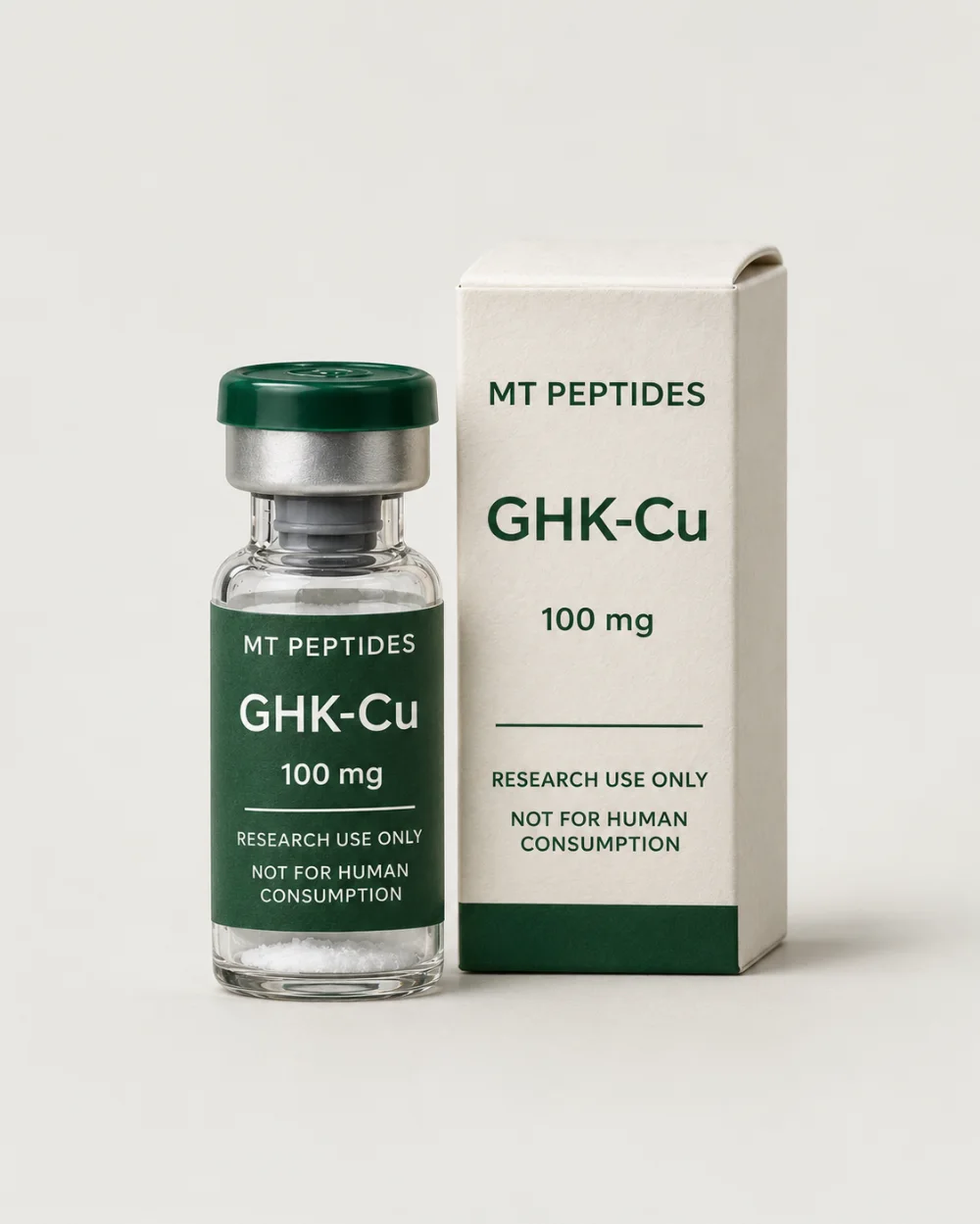

What does peptide mean?
Peptides are structures in which amino acid units are joined through peptide bonds. The IUPAC definition describes chemical bonding; it does not establish how a substance should be used or what outcome it produces. Classifying a substance as a peptide and evaluating its biological effects are therefore separate questions.
Short names make research easier to discuss, but they do not replace a complete identity. Even similarly named records should be checked for the sequence, chemical modifications and reported form of the material.
Why does sequence matter?
The order of amino acids is an essential part of what a record describes. The single-letter difference between GHK and AHK points to different sequences. Grouping a copper complex and a free peptide under a related heading does not establish that all their properties are identical.
When reading a publication, look beyond the abbreviation in the title to the material described in the methods. If a full sequence is not reported, do not assume that another catalog entry represents an identical research material.
Database records and physical samples
PubChem distinguishes a contributor's substance description from a standardized chemical structure record. This helps explain why finding a structure in a database cannot establish that a particular vial has been analytically identified.
Keep the name, sequence, form, product code and supporting source in separate fields in your reading notes. A later comparison can then distinguish information supplied by the literature from information declared in the catalog.
A practical way to read the catalog
Start with substance identity, then review the nominal quantity options and available technical fields. Check whether the linked sources actually address your question. Use the product code when requesting missing information so that the intended record remains clear.
A peptide's appearance in research does not make an MT Peptides catalog record suitable for human consumption. This guide and the catalog provide research information only; they do not supply dosing, administration or combined-use recommendations.