
How are mg and µg related?
Milligrams and micrograms are units of mass. Under the SI prefix system, 1 mg equals 1,000 µg. Some texts use mcg for micrograms; always make the intended unit explicit before comparing two values.
Expressing a value in another mass unit does not change the amount of material. Misreading the unit, however, can completely change a comparison. Recording the numerical value and unit together is a more reliable reading habit than copying the number alone.
Why does mL mean something different?
Milliliters express volume, while milligrams express mass. Changing a unit label cannot convert one into the other. Relating mass to volume for a particular solution requires appropriate concentration information.
Seeing a liquid volume beside a catalog amount does not make the two numbers equivalent. This explanation concerns the meaning of units; it is not a solution preparation protocol, dosing calculation or administration instruction.
What is a nominal quantity?
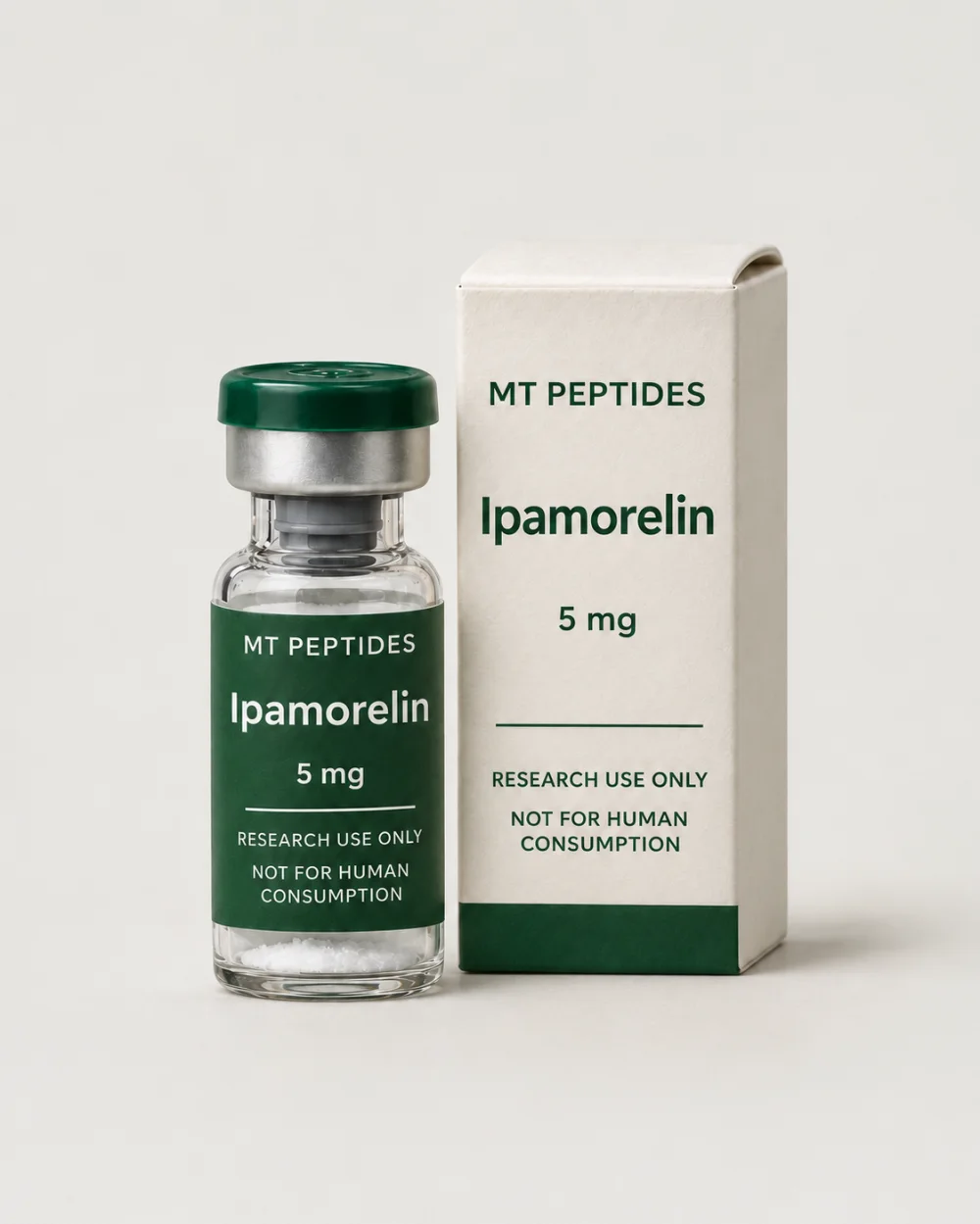
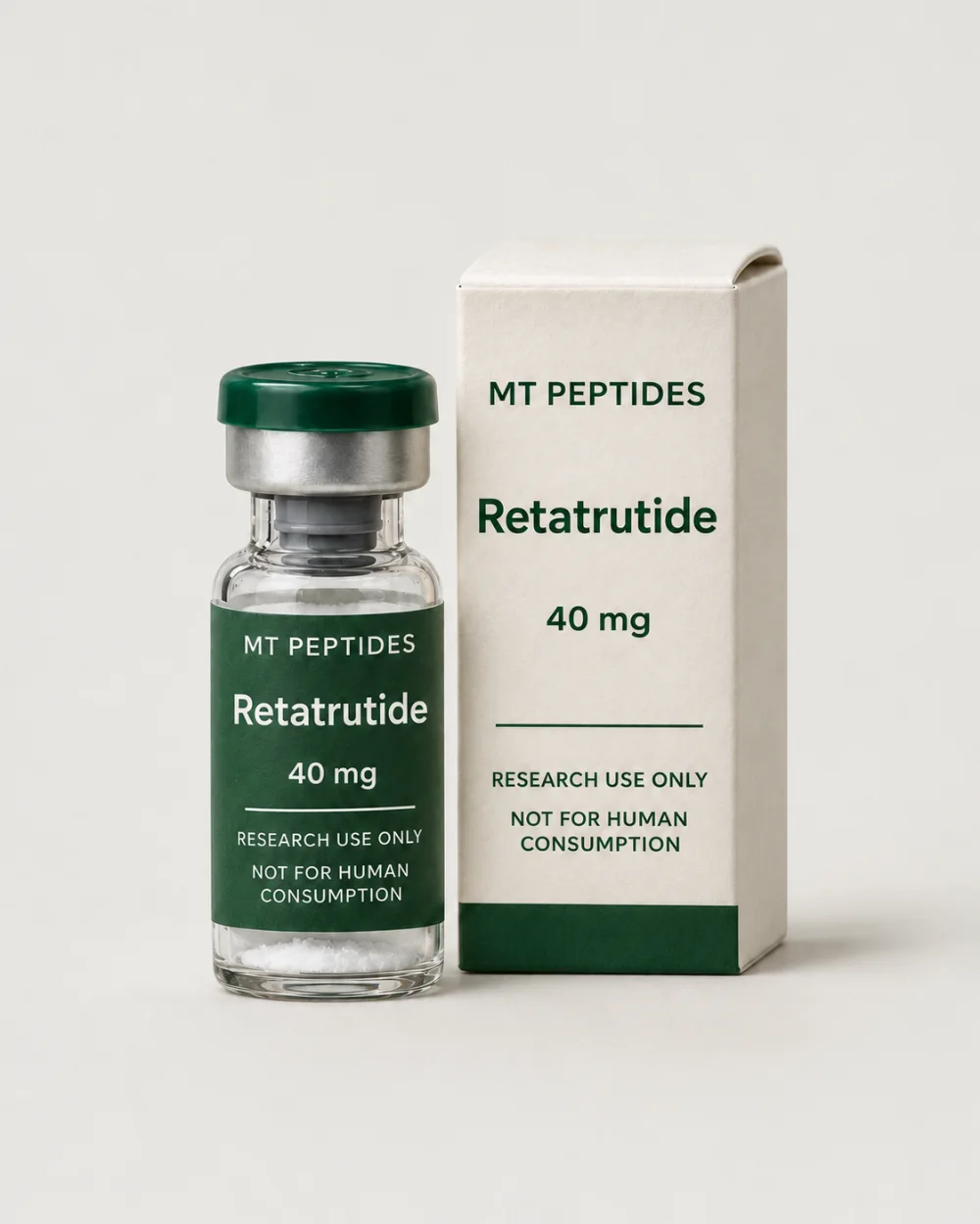
A nominal quantity identifies an option declared in a catalog or on a label. Retatrutide 40 mg and 50 mg, or Ipamorelin 5 mg and 10 mg, are different catalog options. These numbers alone are not measured net-content or purity results.
Review the packaging description, product code and any technical explanation together. Checking the selected code when switching quantity options helps direct an information request to the intended record.
Can a purity percentage be compared with an amount?
A percentage and a mass value answer different questions. When an analytical report gives a percentage, ask which test and calculation definition produced it. A catalog mg value must not be presented as if it establishes an unpublished purity or content result.
Use separate fields for nominal quantity, measured content, method and units in an evaluation note. MT Peptides quantity options are not use doses. All records are for research information only and are not intended for human consumption.