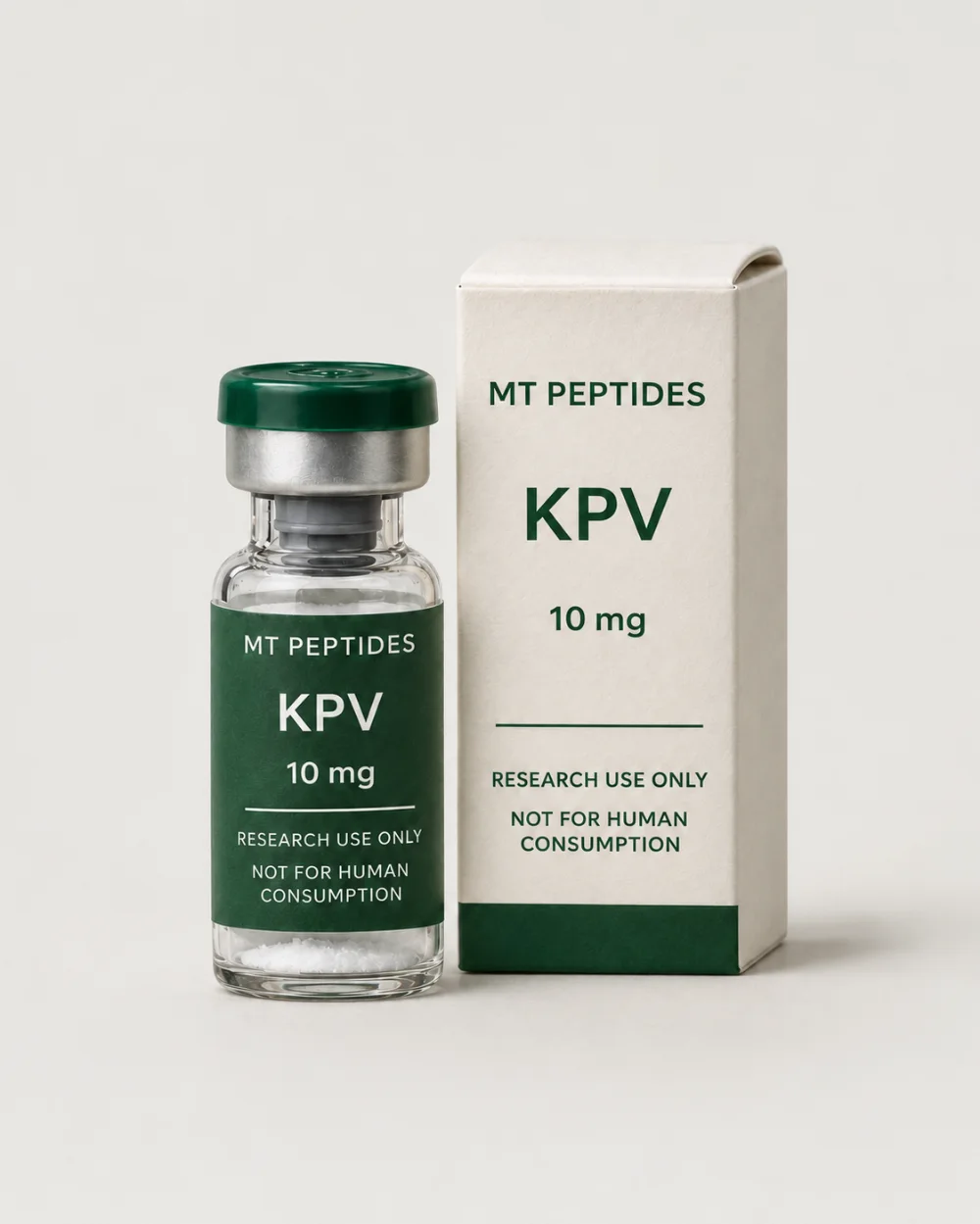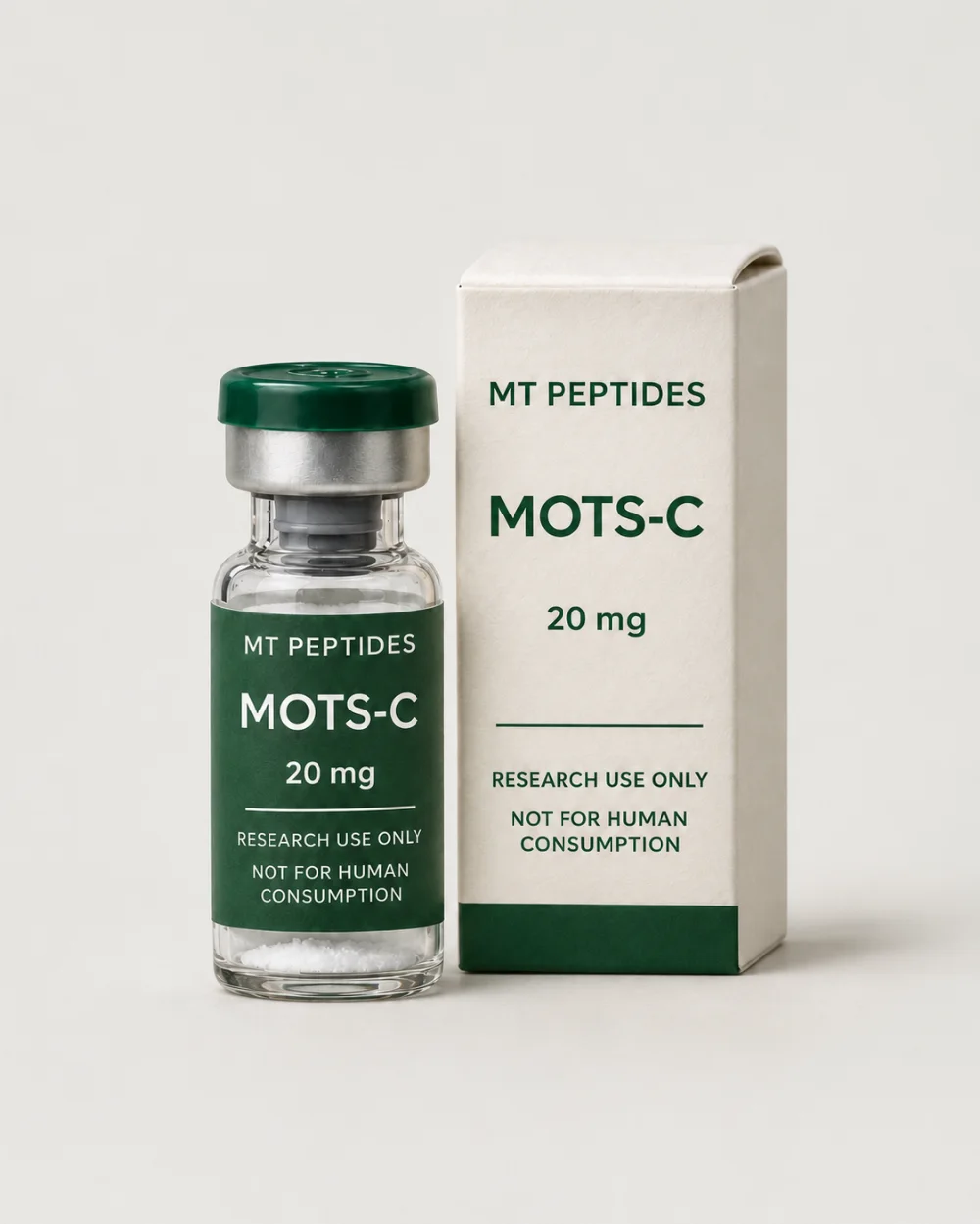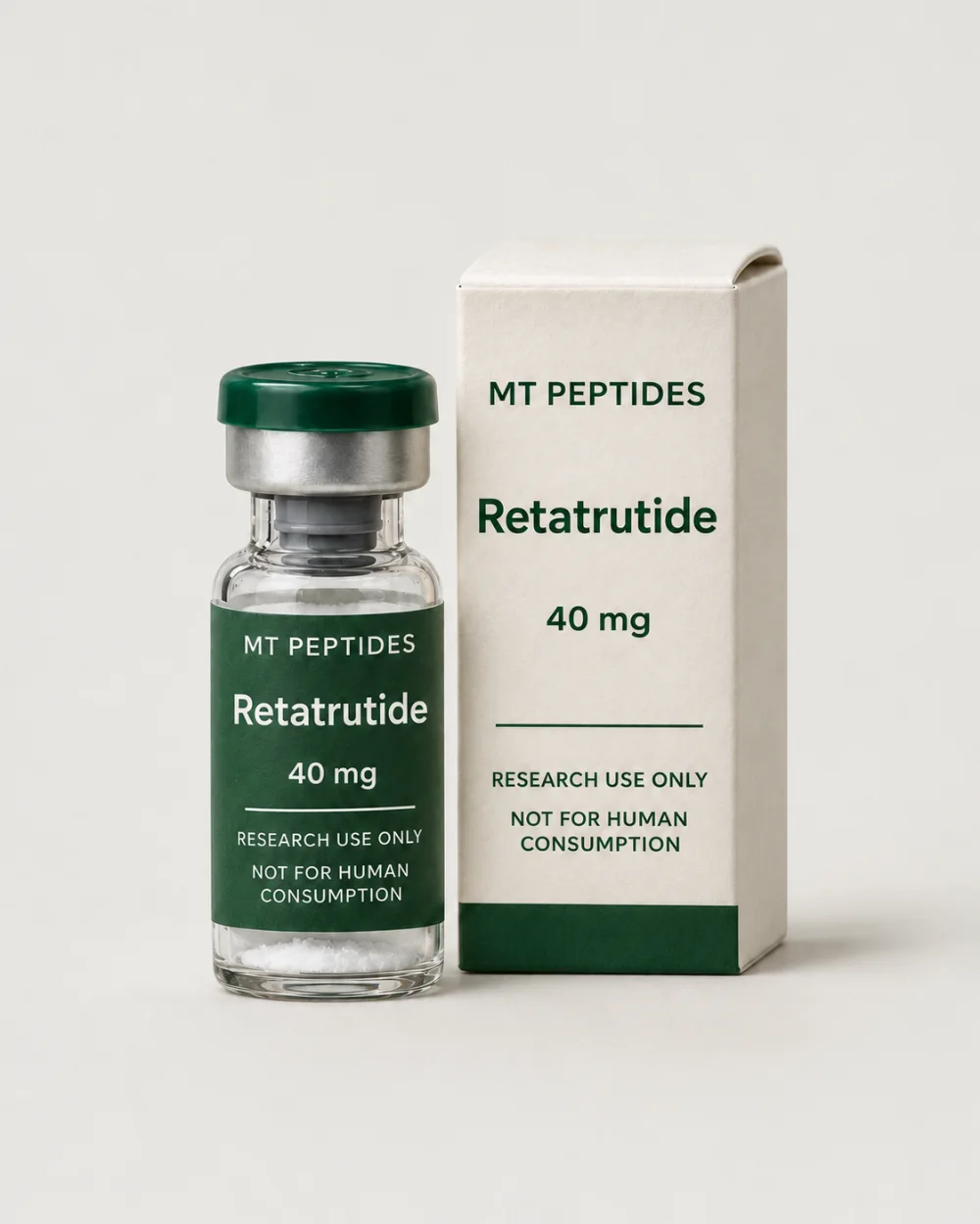

Search beyond the product name
A substance name can be supplemented with synonyms, a research code and the mechanism of interest. The PubMed guide explains field tags, filters and MeSH terms for refining a search. Recording the query makes the same search easier to revisit.
Do not treat the first result as the strongest evidence. Check publication type and date first. An original experiment, review and commentary serve different purposes; your source notes should identify which one you are reading.
Read the methods after the abstract
An abstract is a short introduction to a paper. Where the full text is available, examine the material description, experimental model, comparator and measurement method separately. Reading only the concluding sentence can hide the conditions on which a finding depends.
Describe the measured variable in one sentence of your own. If that sentence does not match the question being asked about a product, the paper may provide only indirect context for that question.
A registry record is not a results paper
A clinical study record and a published paper reporting its findings are separate documents. The ClinicalTrials.gov reading guide explains where design and results information appears. The existence of a registration should not be presented as evidence that results have been published.
Keep the year, study population, follow-up and outcome definitions together. Consider the limits of comparison before combining numbers from different studies in a table as though their methods were identical.
Build a traceable reading note
A concise note can record the research question, model, main finding, limitation and permanent source link. A PMID or DOI helps distinguish different texts referred to by similar names. Include the authors' funding and conflict-of-interest disclosures in your reading.
Finally, ask whether the study actually examined an MT Peptides product or batch. General literature cannot replace product analysis. This framework supports scientific literacy; it is not intended to guide personal use or treatment decisions.